Why this exists.
A steadier, safer home for every child caught in the middle, and the parent behind the idea.
The mission
Every child deserves at least one steady, safe relationship at home, whatever is happening between the adults around them.
Steadier Homes would teach parents the relationship skills that protect their children's health, and give it free to the families who need it most and can least afford it.
What we stand for
Children first
Every lesson answers one question: will the child be safer and steadier?
Free for those who need it
Money should never decide which children get a calmer home.
Built on the evidence
Teach what the research shows protects children, then measure whether it works.
Safety comes first
Where there is abuse, the goal is safety, not contact.
Dignity, not blame
Parents in crisis are met with respect. Most are doing their best in the hardest season of their lives.
Plain and practical
Skills a parent can use tonight, in words anyone can follow.
What success would look like
- Parents finish the course, at no cost to them.
- Less conflict in front of the children.
- Children who feel safe in both homes.
- Results measured honestly and shared every year.
You may not make the family perfect again. But you can save some of the pieces, and build a more stable home for the kids.
That is where this starts. A steadier home means less stress for the children living in it, and the research ties that stress to their health decades later.
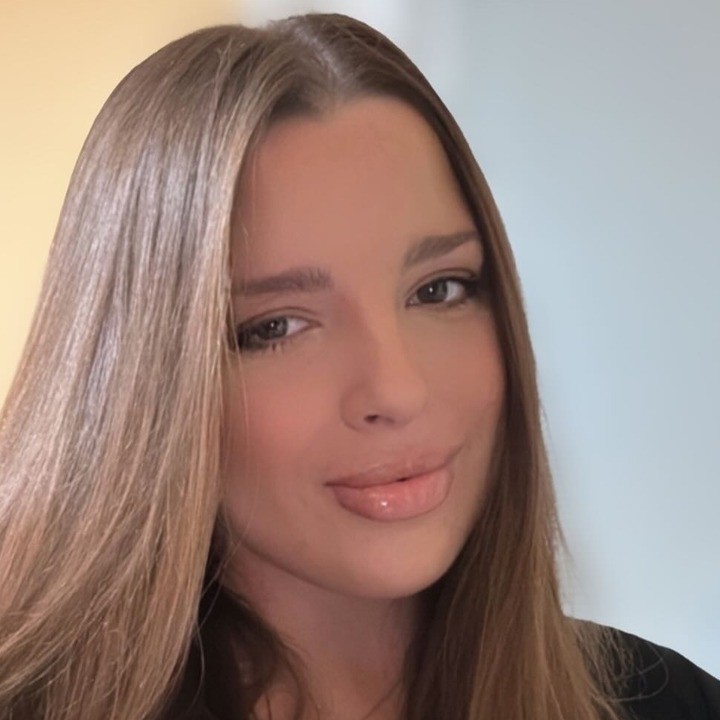
The founder
Rita
- M.A., Industrial and Organizational Psychology
- B.A., Psychology
- Certified life and executive coach
Rita works at the meeting point of psychology, communication and healthcare. Steadier Homes comes from one conviction she has carried for years: when a home feels steadier, the children in it do better, and that matters for their health long after childhood.
Draft bio. Rita can change any of it.
Where this starts, and where it could go
Healthy relationships at home sit underneath almost everything else.
The founder's idea is bigger than one program. Overdose, mental illness, developmental problems and incarceration all have many causes. Large studies link childhood adversity, including harsh treatment and conflict at home, to higher rates of several of them later in life. The links are real but not simple. The idea is to teach calmer, steadier parenting early, for free, to the families under the most strain, and measure what changes.
Start
Parents in high-conflict divorce and custody cases. Some courts require or recommend parenting or co-parenting classes, and parents usually pay for them, often on a sliding scale. For families under the most strain, the cost can be the reason a class never happens.
Then
Other families facing the same pressure: addiction, a parent in prison, foster care, young or isolated parents, and families new to the country. Same skills, shaped for each situation, with the people who know it best.
At every age
Early childhood, school age, teenagers and adults. Relational health is learned at every stage, and it can be repaired at every stage.
Across the country
One county first, then the state, then wherever there is a gap. The United States for now.
Having several kinds of childhood hardship, such as abuse, violence at home, a parent in prison or a family split, is tied in large studies to higher rates of addiction, mental illness and chronic disease later in life. The link is strongest when hardships pile up, and it is not a prediction for any one child. See the evidence library below. The list of future groups is the founder's direction to refine, not a plan.